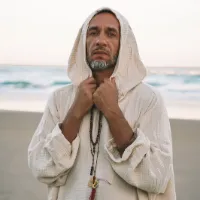
60 mins with The Music Medicine
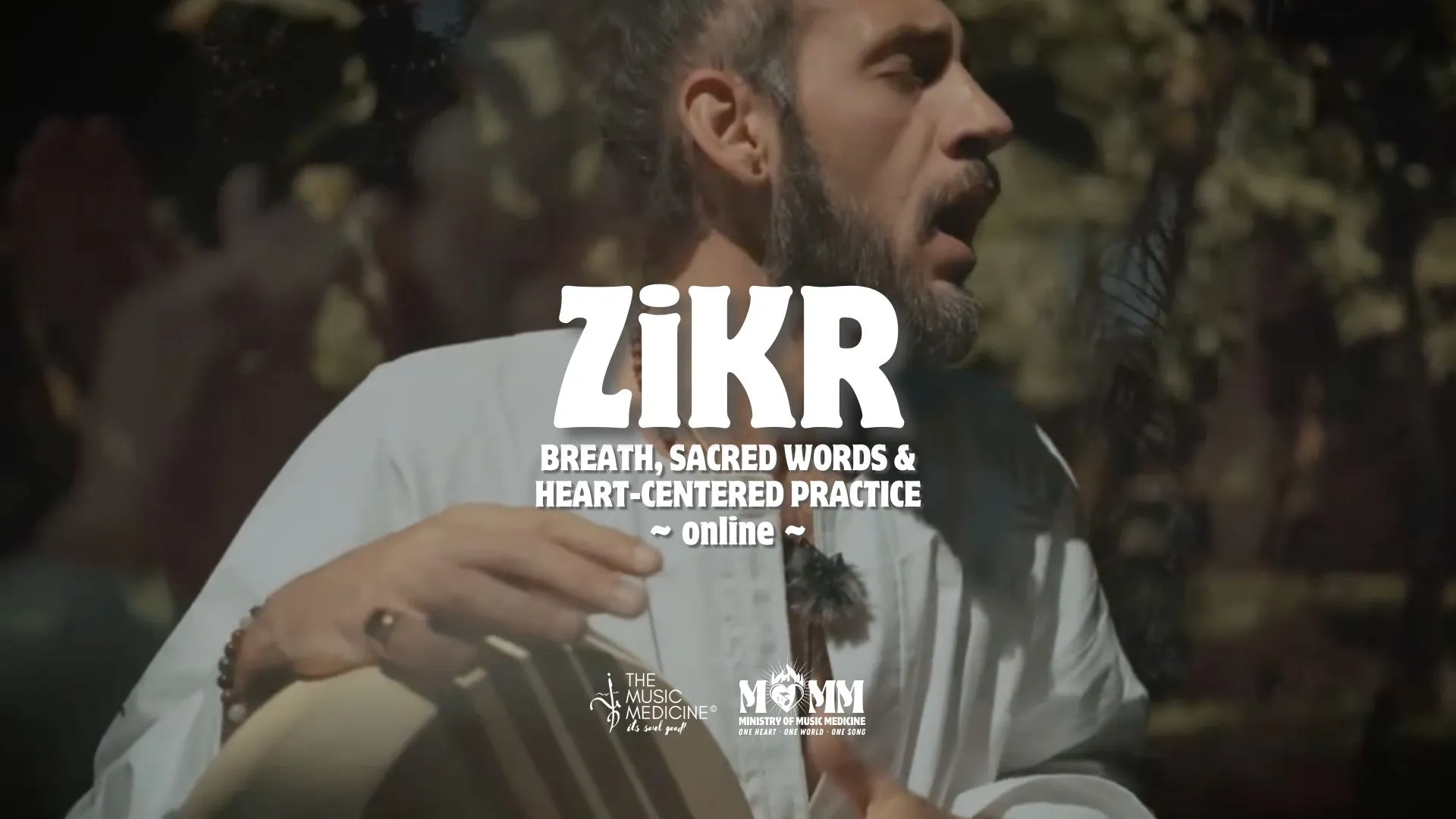
Zikr – Breath, Sacred Words & Heart-Centered Practice (1:1 - Online)
Online
About this Session
Zikr (or Dhikr) means “remembrance”.
An ancient practice rooted in Islamic spirituality and widely cultivated within Sufi traditions.
The practice centers on the conscious repetition of
Sacred Names - formulas (such as the 99 Names of Allah), guided by breath, rhythm, and intention.
It is offered as a path of remembrance, presence,
inner refinement, and purification of the heart —
orienting awareness toward Divine Unity.
How it works
📿 Traditional Lens
Within the Sufi tradition, Zikr is approached as a discipline that may support:
• Remembrance of the Divine
(turning attention toward Unity)
• Purification/refinement of the heart (tazkiyah)
• Presence and sincerity (ikhlās)
• Softening of inner agitation and
strengthening of inner steadiness
• Humility and devotion through repetition
and attentivenes
🌬 Physiological Lens
The rhythmic breathing often used in Zikr may:
• Activate the parasympathetic nervous system
• Reduce stress activation
(commonly associated with cortisol dynamics)
• Support heart-rate regulation
• Improve heart-rate variability (coherence)
• Support vagal tone (vagus nerve function)
🔊 Voice Vibration & Biochemistry
The vibration of the voice may:
• Resonate through the chest and cranial cavities
• Support vagal stimulation via vocalization and resonance
• Support emotional settling
• Be associated with neurochemical patterns linked to wellbeing (often discussed in relation to serotonin/oxytocin pathways)
Scientific Framing
Modern frameworks may describe parts of this experience as:
• Rhythmic breathing / paced respiration
• Autonomic nervous system regulation
• Acoustic self-regulation through vocalization
• Entrainment (attention + rhythm)
• State-shift and stabilization through repetition and sound
Benefits
👌 Stress reduction
👌 Sense of connection
👌 Emotional release
👌 Mind clarity
👌 Deep grounding
👌 Heart opening
🌿 What to Expect at the Session
✅ Guided rhythmic breathing
✅ Repetition of Sacred Names
✅ Gradual deepening in rhythm and sound
✅ Silence & integration
*No previous experience required
*The practice is adapted to the level and sensitivity of each participant
How to prepare:
⏰ Arrive 5' early
💧Keep water next to you
🎧 Use headphones
📵 Keep your phone on Do Not Disturb
🤫 Pick a quiet place with no distractions
👕 Wear comfortable clothes
🧘🏻♀️ Ideally, sit on the floor. A chair may also work. Couch may be used in case your body needs more support.
⚖️ Important Note
*This session offers a space where music is used as a practice of self-regulation and inner balance.
It does not replace medical or psychological care.
About the Host